
What Small-Business Owners Should Review Before December 31, 2026.
Before 2026 ends, review these key financial areas so your small business enters tax season and 2027 with cleaner books and fewer unanswered questions.
Tax Planning vs. Tax Preparation: What’s the Difference for a Small Business?
Tax preparation reports what already happened. Tax planning looks at where your business stands while there may still be decisions to make.
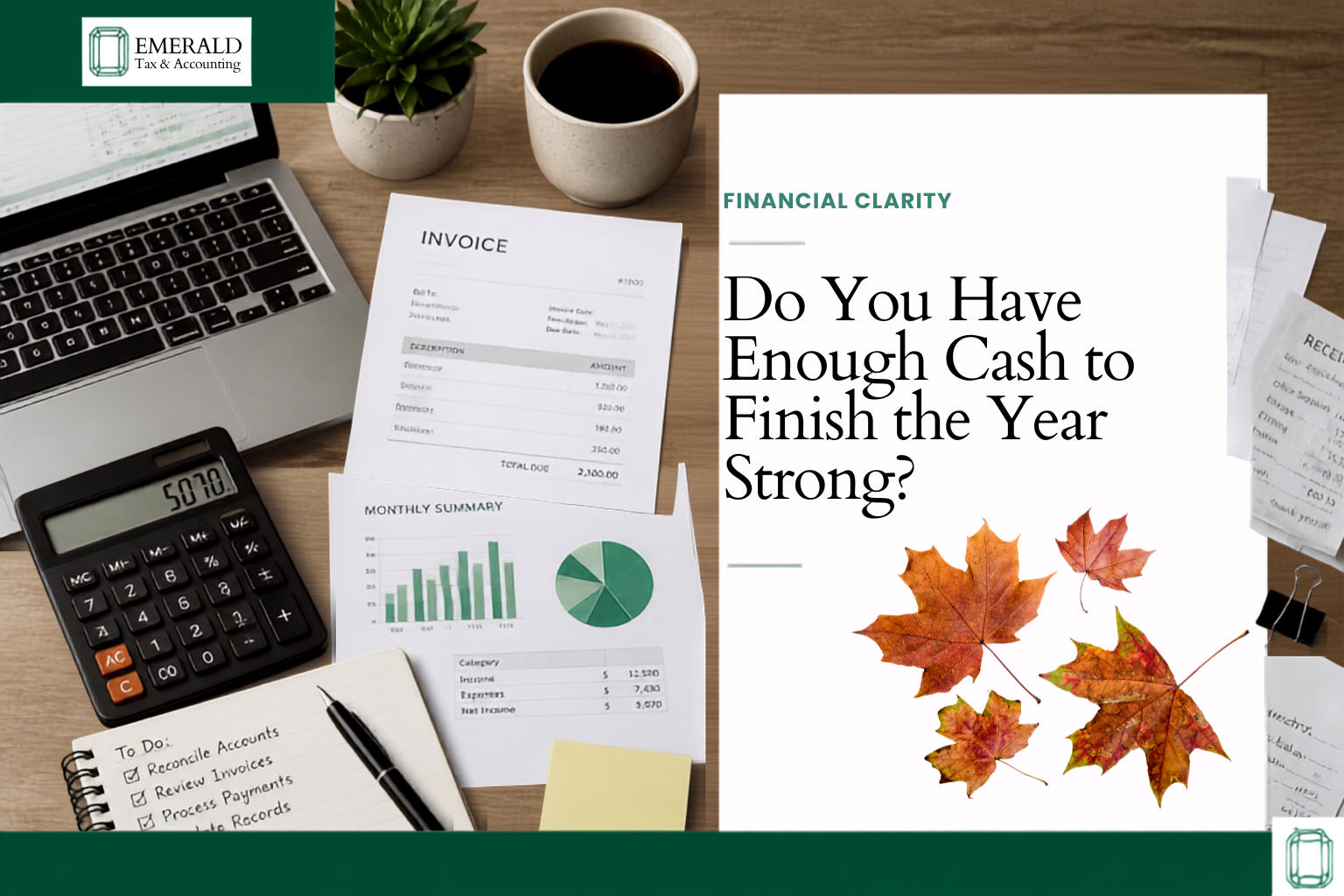
Do You Have Enough Cash to Finish the Year Strong?
Your current bank balance doesn't tell you everything your cash still needs to cover. Review these five areas to understand your cash position and prepare for upcoming expenses before year-end.

Can You Deduct Halloween Expenses for Your Business?
From decorations and candy to client gifts and employee parties, Halloween can bring extra business expenses. Learn why the purpose of the purchase—and who benefits from it—matters when determining its tax treatment.

Have Your Business Expenses Crept Up? 5 Costs to Review This Fall
Business expenses don't always increase all at once. Review these five areas to see what's changed, where you're spending more, and whether those costs still make sense for your business.

The Fall Financial Reset: 5 Things Every Small Business Owner Should Review Before Year-End
Don't wait until tax season to find out what needs attention. Use this fall financial reset to review your bookkeeping, expenses, cash, tax position, and financial records before the year ends.

What Questions Should You Ask Before Hiring a Bookkeeper?
Not all bookkeeping services are the same. Here are five important questions to ask before hiring a bookkeeper for your business

Bookkeeping for Specific Business Types: Retail, Services, and E-Commerce
Bookkeeping fundamentals may be the same, but every business handles money differently. Learn what retail, service, and e-commerce businesses should track to keep their financial records organized and useful.

How to Choose the Right Bookkeeper for Your Business
Choosing the right bookkeeper involves more than comparing prices. Learn what to look for in qualifications, experience, services, communication, and long-term fit so you can choose the right support for your business.

How Much Money Should a Small Business Keep in the Bank?
How much money should your business actually keep in the bank? Learn how operating expenses, taxes, cash flow, upcoming obligations, and unexpected costs can help determine the right cash reserve for your business.

How Much Does It Cost to Hire a Bookkeeper?
The cost of bookkeeping depends on your business size, transaction volume, number of accounts, and the level of support you need. Learn what affects bookkeeping costs and what to consider when comparing services.

Why Brunswick Small Business Owners Need Local Tax Support
Many small business owners rely on national tax apps because they seem convenient, but software alone cannot replace personalized financial guidance. This blog explains why Brunswick business owners benefit from local tax support, organized bookkeeping, and year-round financial clarity from a trusted accounting partner.

Ready to Stop Leaving Money on the Table?
Creative entrepreneurs often miss valuable tax deductions simply because their bookkeeping isn't organized. Learn how better expense tracking and year-round tax planning can help you keep more of what you earn.

Most Small Business Owners Wait Too Long to Start Tax Planning
Many small business owners under $200K wait too long to start tax planning. Learn how proactive planning can reduce stress, improve cash flow, and help you keep more of your income.

5 Bookkeeping Mistakes Costing Small Businesses Money
Bookkeeping mistakes can quietly cost your business time, money, and peace of mind. Learn the five most common bookkeeping errors small business owners make—and how accurate financial records can help you make smarter decisions, improve cash flow, and prepare for tax season with confidence.

Can Bad Bookkeeping Affect My Taxes?
Bad bookkeeping can create problems long before tax season begins. Learn how inaccurate or outdated financial records can affect your tax preparation, cause you to miss potential deductions, and make proactive tax planning more difficult.

When Is the Right Time to Hire a Bookkeeper?
Wondering if it's time to hire a bookkeeper? Learn five signs your small business may need bookkeeping support and how accurate, organized books can help you save time, prepare for taxes, and make more confident financial decisions.

5 Financial Reports Every Small Business Owner Should Review
Financial reports provide the information you need to make confident business decisions. Learn the five essential reports every small business owner should review and how they can improve profitability, cash flow, and overall financial health.

Why Do My Numbers Not Match My Bank Account?
Many small business owners notice that their bookkeeping reports do not match their actual bank account balances. This blog explains the most common causes of reconciliation problems, how bookkeeping errors happen, and why consistent monthly bookkeeping helps create more accurate financial visibility.

Why Your Business Bank Balance Doesn't Tell the Whole Story
Many business owners use their bank balance as a measure of business success. The problem is that your bank account only tells part of the story. Learn why profitability, cash flow, expenses, and financial reporting provide a more accurate picture of your business's financial health.